 Mobilgeräte
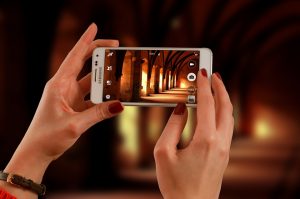 In der heutigen Zeit sind unsere Handys gar nicht mehr wegzudenken. Ob jung oder alt – jeder besitzt ein Handy und weiß in groben Zügen, was er damit alles machen kann. Doch welche Rolle spielt ein Handy in unserem Leben wirklich? Sind die kleinen Multifunktions-Geräte nur nützliches Spielzeug, oder tatsächlich lebensverändernd?
Ein Handy ist nicht mehr nur unbedingt ein Gerät zum Telefonieren. Dennoch ist es gerade diese Eigenschaft, die die kleinen Allrounder zu einem unverzichtbaren Alltagsbegleiter hat. Sogar unsere Großeltern besitzen heut zu Tage Mobilfunkgeräte. Geschenke von besorgten Kindern und Enkeln, die eine vollumfängliche Erreichbarkeit gewährleisten wollen, falls doch mal etwas passiert. Ältere Menschen neigen gerne zu einsamen Waldspaziergängen – im Falle von unvorhergesehenen gesundheitlichen Problemen, kann das Handy hier also zum Lebensretter werden. Und wie oft hört man von Situationen, in denen geliebte Menschen Autounfälle haben und es aber recht glimpflich ausgeht, weil der Betroffene ein Handy dabei hatte und eigenständig den Notruf wählen konnte.
Ein Handy kann allerdings noch viel mehr, als bloß Anrufe senden und empfangen
Wir können damit von überall auf der Welt in’s Internet gehen und uns wichtige Informationen rund um die Uhr online besorgen. Besonders praktisch sind die kleinen Begleiter auf Reisen, wenn man beispielsweise checken möchte, ob Flug oder Bahn pünktlich sind, oder ob sich irgendwelche Änderungen an Gate oder Bahnsteig ergeben haben.
 Wir sind direkt mit der Welt vernetzt und können alle wichtigen Geschehnisse beinahe live verfolgen. Unser liebstes Fußballspiel, Wahlergebnisse, Wettervorhersage – alles ist möglich.
Zahlreiche Apps machen das Handy zu einem unverzichtbaren Begleiter. So können wir nicht nur unterwegs unseren Kontostand abrufen, sondern direkt online Geld umbuchen und wichtige Transaktionen tätigen, wenn wir gerade nicht die Möglichkeit haben, an einen Rechner zu kommen.
Wir können Fotos und Videos direkt mit unseren Liebsten teilen und sie auch von unterwegs an unserem Leben teilhaben lassen.
Ein Handy ist in der heutigen Zeit nicht nur wertvoll, sondern auch fast völlig unverzichtbar für jeden von uns geworden. Der mobile Begleiter organisiert unser Leben, hält uns auf dem Laufenden und kann uns im Ernstfall sogar unser Leben retten.